
Paint Overspray Removal in Fort Collins, CO
You parked near a job site, drove past a striping crew, or left the car in the driveway while a neighbor sprayed a fence. Now the whole vehicle has a fine gritty texture that looks like dust but will not wash off.
That is overspray, and it is one of the more urgent things we handle — because every day it sits, it cures harder and the job gets more expensive.
What overspray actually is
Airborne paint droplets that landed on your vehicle and cured there. Unlike dust, they are chemically bonded to the clear coat. Unlike sap or tar, they are usually spread across the entire vehicle rather than concentrated in spots, and they are often so fine that people mistake them for a rough wash or "the paint just feels weird now."
The tell: run your hand across a horizontal panel. If it feels like fine sandpaper and washing doesn't change it, that is overspray.
Severity depends on the type of paint and how long it has cured.
The common sources in Northern Colorado
Construction and residential painting. By far the most common. Sprayed stucco, fences, exterior house paint, and deck stain drift much further than the crew expects — a hundred feet or more on a breezy day. With the amount of building going on in Fort Collins, Timnath, Wellington and Windsor, this is a regular occurrence.
Roofing. Roof coatings and sealants are among the harder overspray types to remove because they are elastomeric — they stay flexible rather than curing brittle, which means they smear rather than shear off if you use the wrong technique.
Road striping. Highway and parking lot striping crews. Traffic paint is fast-drying by design, so it cures on your paint almost immediately. This usually shows as a spray pattern along one side of the vehicle and on the lower panels and wheels.
Industrial and powder coating facilities. Less common, harder to remove.
Concrete and stucco splatter. Not technically paint, but same category and often the same job. Alkaline, and it etches clear coat if left.
How we remove it
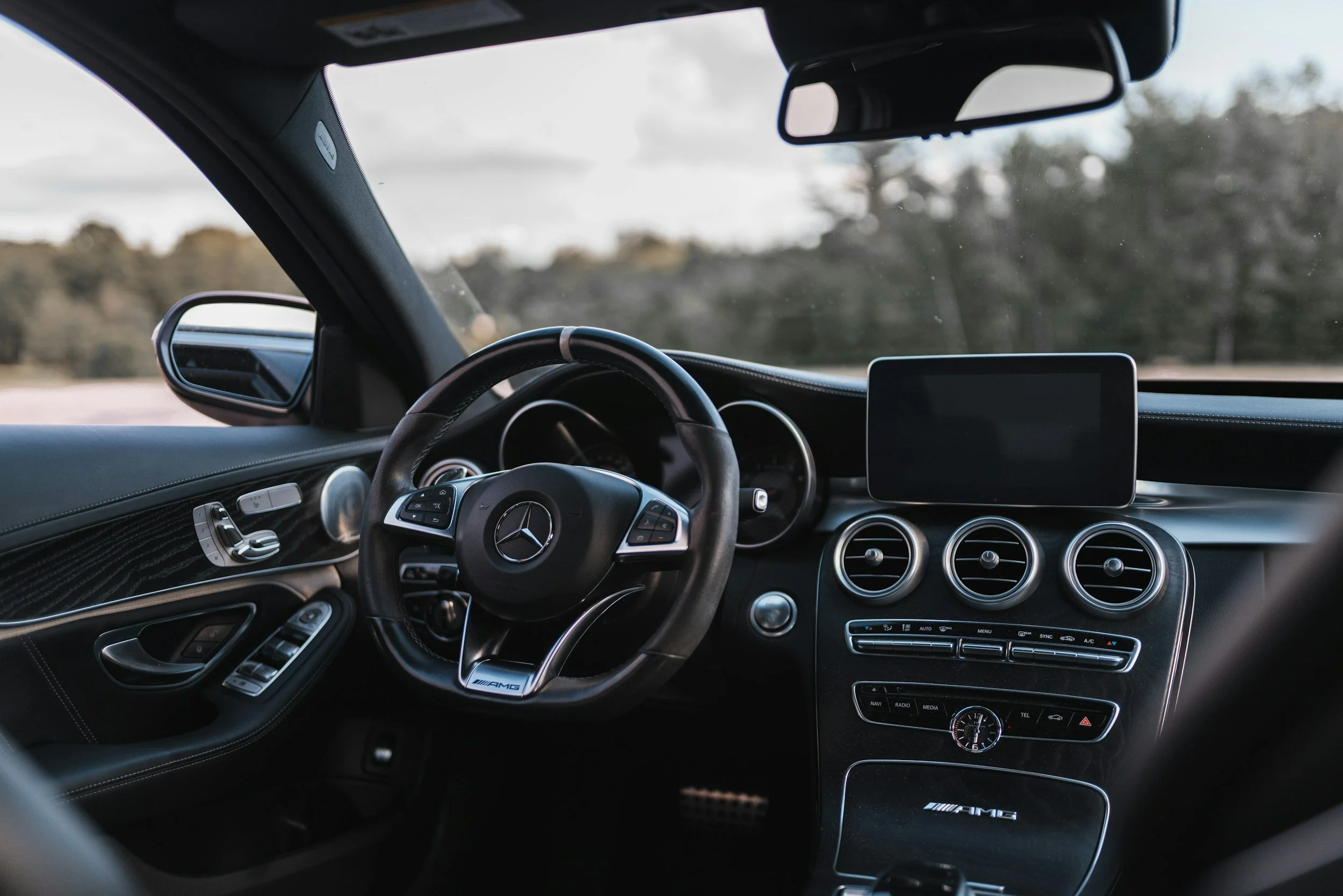
Overspray removal is mechanical, and the method depends on severity.
Chemical softening where appropriate. Some paint types respond to solvent softening, which reduces the mechanical work needed. Others don't, and using solvent on those just spreads them.
Clay or mechanical decontamination. For light to moderate overspray, a clay bar or synthetic decontamination media shears the cured droplets off the top of the clear coat. Done with proper lubrication, this removes the paint without abrading the finish underneath.
Machine polishing. Heavier overspray, or overspray that has cured long enough to bond deeply, needs to be leveled with a machine. This is real paint correction, and it removes a small amount of clear coat by definition.
Every surface, not just the paint. Overspray lands on glass, trim, wheels, tires, badges, headlights, mirrors, rubber seals and inside door jambs. Glass needs a different approach than paint. Textured plastic trim is the hardest part of the job, because droplets sink into the texture and aggressive removal permanently whitens the plastic. Wheels — particularly polished or anodized — need finish-specific treatment.
Why speed matters so much
This is the service where waiting genuinely costs you money.
Days 1–7: most overspray is still soft enough to remove chemically or with light decontamination. Least expensive outcome.
Weeks 2–6: curing progresses. Decontamination still usually works, but more of it, and often followed by polishing.
Months: fully cured and bonded. Now you are looking at multi-stage machine correction across the whole vehicle, and on badly affected trim and glass, some of it may not come off at all.
If you have just discovered overspray, call now rather than next month.
Documentation for claims
Overspray is somebody else's fault, and it is usually covered — by the contractor's liability insurance, by the striping contractor, or through your own comprehensive policy.
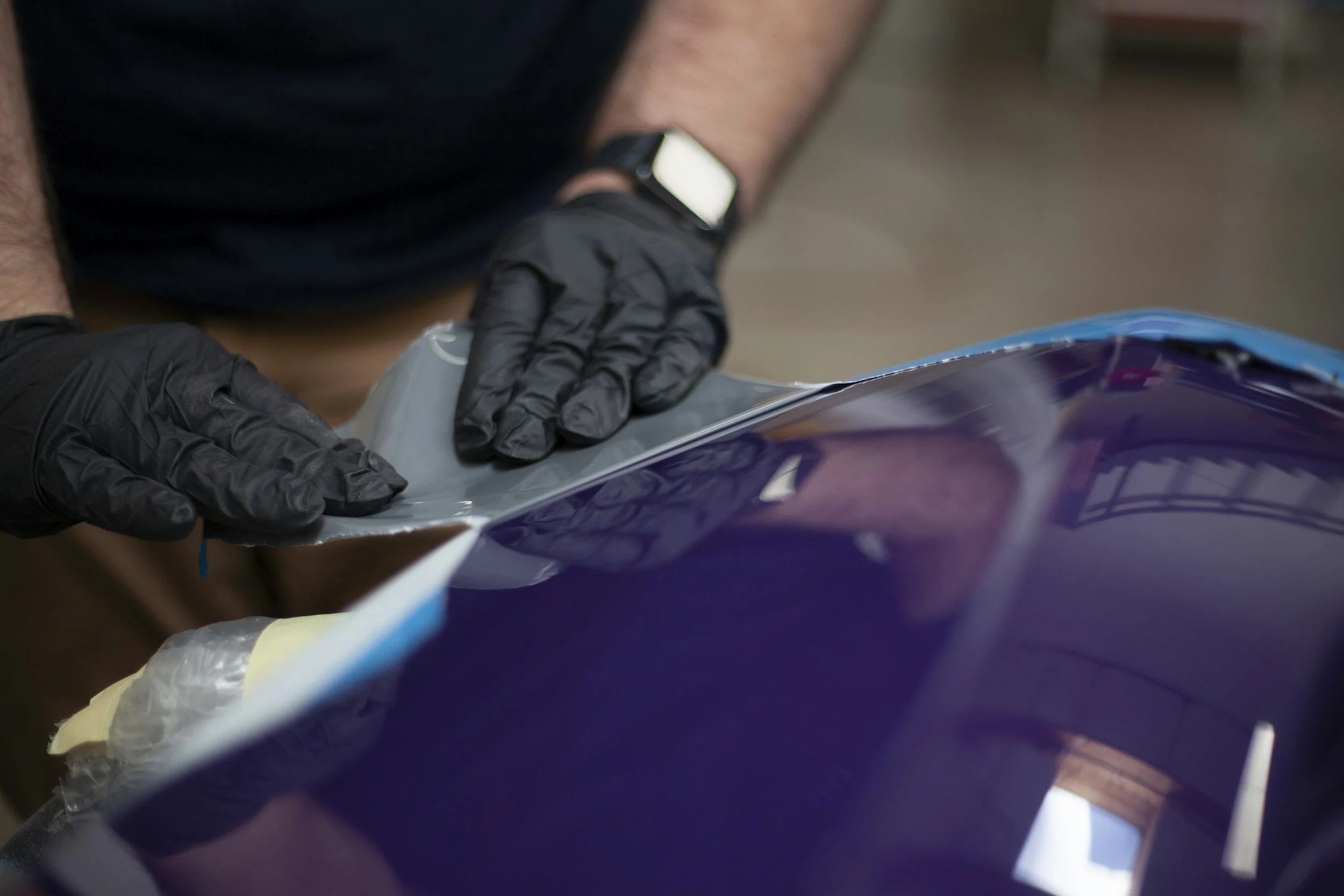
We photograph and document the condition before we start, note the affected surfaces, and provide a written assessment and invoice. Contractors and adjusters ask for that, and having it from a third-party detail shop is more useful than photos on your phone.
A few practical notes if you are pursuing a claim: photograph the vehicle where it was parked and photograph the job site if you can, get the contractor's name and the general contractor if it is a construction site, and don't attempt DIY removal first — if you scratch the paint yourself, it complicates the claim considerably.
What we'll tell you honestly
Most overspray comes off, and often the vehicle ends up looking better than before because the process includes a full decontamination and polish. But there are limits.
Overspray that has cured for months in textured plastic trim, in rubber window seals, or in the weave of soft-top convertible fabric sometimes cannot be fully removed without damaging the material. On vehicles with heavily oxidized or already-thin clear coat, the amount of correction needed may not be safely available.
We will assess and tell you what is realistic — including in writing, if you need it for a claim.
Frequently Asked Questions
-
In the large majority of cases, yes. Overspray sits on top of the clear coat and can be sheared or leveled off. Repainting is a last resort for extreme cases or affected non-paint materials.
-
Very. Fresh overspray is dramatically cheaper and easier to remove than cured overspray. If you found it today, call today.
-
Often, either through the responsible party's liability coverage or your own comprehensive policy. We provide written documentation and photos to support a claim.
-
No. Scrubbing cured paint droplets across your clear coat causes scratching, and DIY damage muddies an insurance claim.
-
Yes, and those take different techniques than paint. Long-cured overspray in textured trim is the hardest part and occasionally cannot be fully removed — we'll tell you when we assess it.